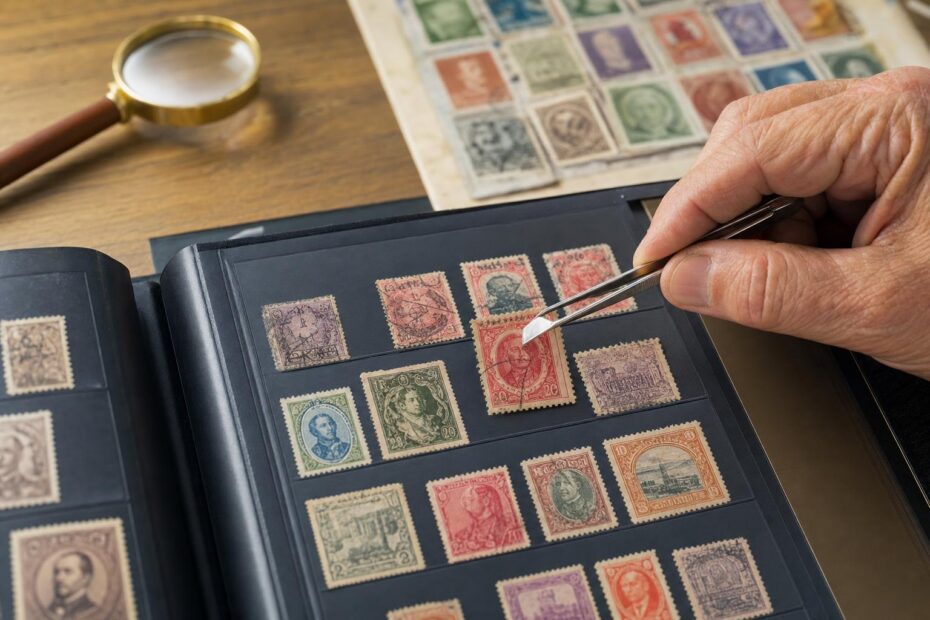
Old stamps don’t suddenly stop being useful when the postal service raises rates. They just change how you can use them, what they’re worth for postage, and how collectors think about them.
## Old Stamps After A Rate Increase: What Collectors See
When you type old stamps after a rate increase into a search or ask a dealer, you’ll get a mix of practical advice and market opinion. Practically speaking, stamps with face value remain valid for postage. But the math gets fiddly. If the postage goes from 55¢ to 66¢, one 55¢ stamp is no longer enough. You’ll need to top it up with extra stamps or a single stamp that meets the new rate. Collectors, meanwhile, look at different signals: usage on cover, scarcity of certain denominations, and whether the rate change produced odd combinations people found clever.
Old stamps after a rate increase can mean three different things to collectors:
– Postal utility: stamps still usable; you add more postage.
– Philatelic interest: unusual combinations or covers used during the transition can become collectable.
– Market impact: some denominations spike in price because people hoarded or removed them from circulation.
### How Rate Changes Affect Everyday Use
Postal rules usually let you keep using older denominations, but they don’t do the math for you. If you plan to mail something, check the new rate and add whatever’s missing. That sounds obvious, but I’ve seen envelopes with a 10¢ shortfall simply because someone assumed older stamps were fine. During a rate changes window, post offices can be slow to update signage, and clerks may be handling a flood of customers. Keep an extra roll of small-denomination stamps or Forever stamps on hand.
### How Stamps Price Increase Trickles Into The Market
When a stamps price increase happens, two things occur: demand for a specific denomination rises for postal use, and collectors start hunting for transitional items. For instance, if a 20¢ stamp suddenly becomes a useful top-up, dealers notice shortages and prices can edge up. That’s not guaranteed, but it’s common. If you have many low-value stamps, consider whether holding them for postal use is better than selling them now when prices are nudging upward.
#### Examples Of Transitional Collecting
Collectors prize covers franked with old stamps that just barely met the new rate — think a 50¢ plus a 16¢ — or covers with many small stamps making odd combinations. These can be more interesting than pure rarity. If you’re chasing this, look for neat cancels dated within the first week of the new rate. That timing matters. People like the story: “Used on Day One” is a real selling point.
## Old Stamps After A Rate Increase Explained For Collectors
If you’re sitting on a shoebox of issues that were printed before a rate hike, don’t panic. First, inventory what you have by denomination and condition. Second, decide whether these are postal tools or collectible pieces. If they’re mostly used and common, they’ll likely serve better as postage or as part of mixed lots. If you have mint sheets, blocks, or scarce denominations, get them appraised. Dealers can give a sense of whether a sudden stamps price increase has made your items more salable.
### Practical Steps For Managing Your Stock
Label and sort by denomination. That’s boring but gets you through the day. Keep a list of what you’d be willing to use as postage versus sell. If you plan to use older stamps for mailing, combine them so the total equals the new rate. If you’re selling, photograph stamps clearly — front and back — and note any faults. Buyers will want to see gum condition and centering.
#### When To Hold Versus When To Sell
Sell duplicates and clearly common issues when a stamps price increase appears to lift demand; prices often spike for a short time. Hold unique items, especially covers with clear postal history. If you expect future rate changes, remember that successive increases do not compound value for common stamps. The market cares about rarity and story, not just face value.
### What To Watch For In Auctions And Listings
Watch for sudden jumps in lot prices after rate changes. Some sellers jack up asking prices the moment a stamps price increase is announced. Others list the same items for more because of perceived scarcity. Be discerning. Look at realized prices, not just asking prices. Track a few auctions over several weeks to see if the interest is genuine or just a temporary blip.
#### Handling Postal Use And Legalities
Using older stamps is legal, but removing stamps from mailed covers for sale can be frowned on if it destroys postal history. If a cover is clearly valuable because of a first-day use or transitional rate marking, keep it intact. For routine mail, removing stamps from envelopes to re-use is illegal in many jurisdictions and not worth the risk.
### Tips For Newer Collectors
If you’re new, start by learning one issue well — a particular definitive series or airmail set. That makes it easier to spot when a rate changes and a denomination becomes sought after. Join a local club or online forum; people exchange information about how old stamps after a rate increase perform in the market. Bring a notepad to the post office when rates shift. You’ll notice patterns faster than you think.
A last practical note: don’t assume every stamps price increase creates a windfall. Often the only winners are a few rare items and savvy sellers who bought in before the announcement. Be patient, track real sales, and keep your receipts — both for taxes and future valuation. And don’t forget to double-check adress labels before you seal an envelope; small errors are surprisingly common when people are harried by new rates and long lines.