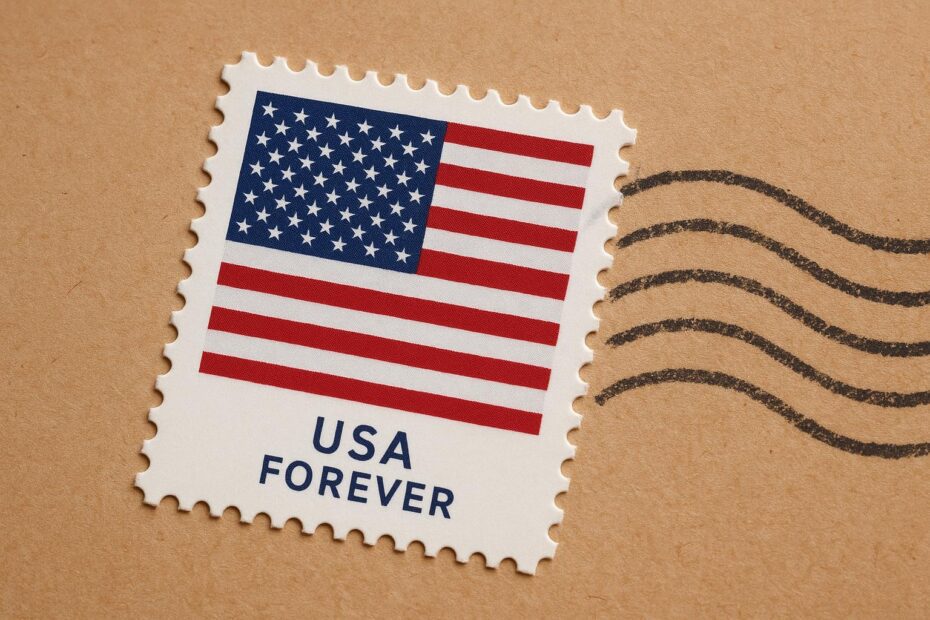
The U.S. flag has been one of those images that barely needs an introduction: people recognize it at a glance, and the Postal Service has leaned on it again and again. Collectors watch these issues for small design shifts, printing quirks, and the way a single symbol gets repackaged for different eras.
## Us Flag Stamp History Through The Decades
The story of the us flag stamp history is not a single event but a series of choices: which moment to mark, which version of the flag to show, and how bold the artwork should be. In the 19th century flag motifs were occasional—used to stir patriotism during crises. By the 20th century the flag became a steady motif across commemoratives and definitives. The us flag stamp history traces those shifts and the Postal Service’s changing priorities.
### Early Uses And Symbolic Moments
From wartime covers to parade souvenir sheets, flag imagery first crept into postal products as a patriotic shorthand. These were not always formal stamp issues; sometimes the flag appeared on envelopes, patriotic stationery, or as part of composite designs. When the Post Office did issue stamps featuring flags, they tended to emphasize sentiment: unity, sacrifice, national expansion. If you study the flag stamp history you see how those messages change with wars, anniversaries, and civil milestones.
### Design Choices That Matter
A flag can be rendered in a dozen ways: crisp and photographic, hand-painted, stylized, or almost abstract. Each approach signals something. A stark, realistic american flag stamp says “official” and timeless. A painterly rendering leans toward emotion. Today’s Forever stamps often favor high-resolution photos or clean digital art to read clearly at a glance. The us flag stamp history shows a steady move toward simplicity—bigger fields of color, fewer extra elements, more focus on the flag itself.
#### Printing, Papers, And Production Notes
Collectors care about how a stamp was produced. Engraving produces fine lines and a tactile feel. Photogravure and offset printing read differently. Perforation and selvage can vary between printings. Little details—gumming, plate numbers, tiny color shifts—are where the hobby gets interesting. If you want to follow the us flag stamp history closely, compare two printings side by side and you’ll find more differences than you might expect.
## US Flag Stamp History In Popular Forever Stamp Designs
Forever stamps changed how people buy postage, and they also shaped which flag designs stuck around. The Forever format encouraged the Postal Service to create durable, repeatable flag images that could be used over many years without confusing the public. The us flag stamp history during the Forever era is really a story about branding: pick a versatile flag design and keep it in circulation.
### Collecting Patterns And Market Interest
Flag stamps sell well to general mailers and to collectors. The american flag stamp is often purchased in quantity for everyday use because it’s neutral and respectful. That steady demand makes flag designs appealing for repeated runs. Collectors, meanwhile, chase plate varieties, color shifts, and special cancellations. For dealers, a popular flag issue can be a reliable listing. For the casual buyer, the american flag stamp functions like a default choice: it works on any envelope and rarely offends.
#### Special Issues And Occasional Variants
Beyond the standard flag stamp, the Postal Service issues themed stamps where the flag appears alongside other imagery—military scenes, historic sites, and memorials. These variants feed the more narrative side of the flag stamp history: instead of the flag alone, it tells a story—about veterans, governance, or a founding moment. Occassionally, the flag is combined with other national icons in souvenir sheets that become small visual essays.
### Why People Care About These Stamps
It’s simple: the flag is recognizable, useful, and emotionally charged. That combination keeps the demand steady. Whether you’re mailing bills or mounting a collection, the american flag stamp fits many roles. And because the us flag stamp history spans domestic uses and commemorative ambition, it remains a small but vivid mirror of public feeling.
#### Practical Tips For Collectors
Look for differences in perforation, gum type, and color saturation. Track first-day covers and special cancellations for issues tied to events. If you’re buying lightly used material, watch for condition—corners and centering matter. These are the details that separate a common run from something an advanced collector will pay attention to.
The U.S. flag on stamps has been both a workhorse and a canvas. That dual role is why the us flag stamp history keeps drawing attention from ordinary mailers and dedicated philatelists alike. You’ll see that over time, small production choices and big design shifts both leave clear traces in the catalog. And if you start collecting, you’ll recieve a steady stream of stories in miniature.